What My Garden Taught Me About How To Thrive at Work
I love the word thrive, but I also think it’s one of those words that has been used so often it has lost some of its potency.
What does it mean to thrive at work? Is it even possible?
I believe it is.
To remember what thriving is, we need not look any further than nature as our teacher.
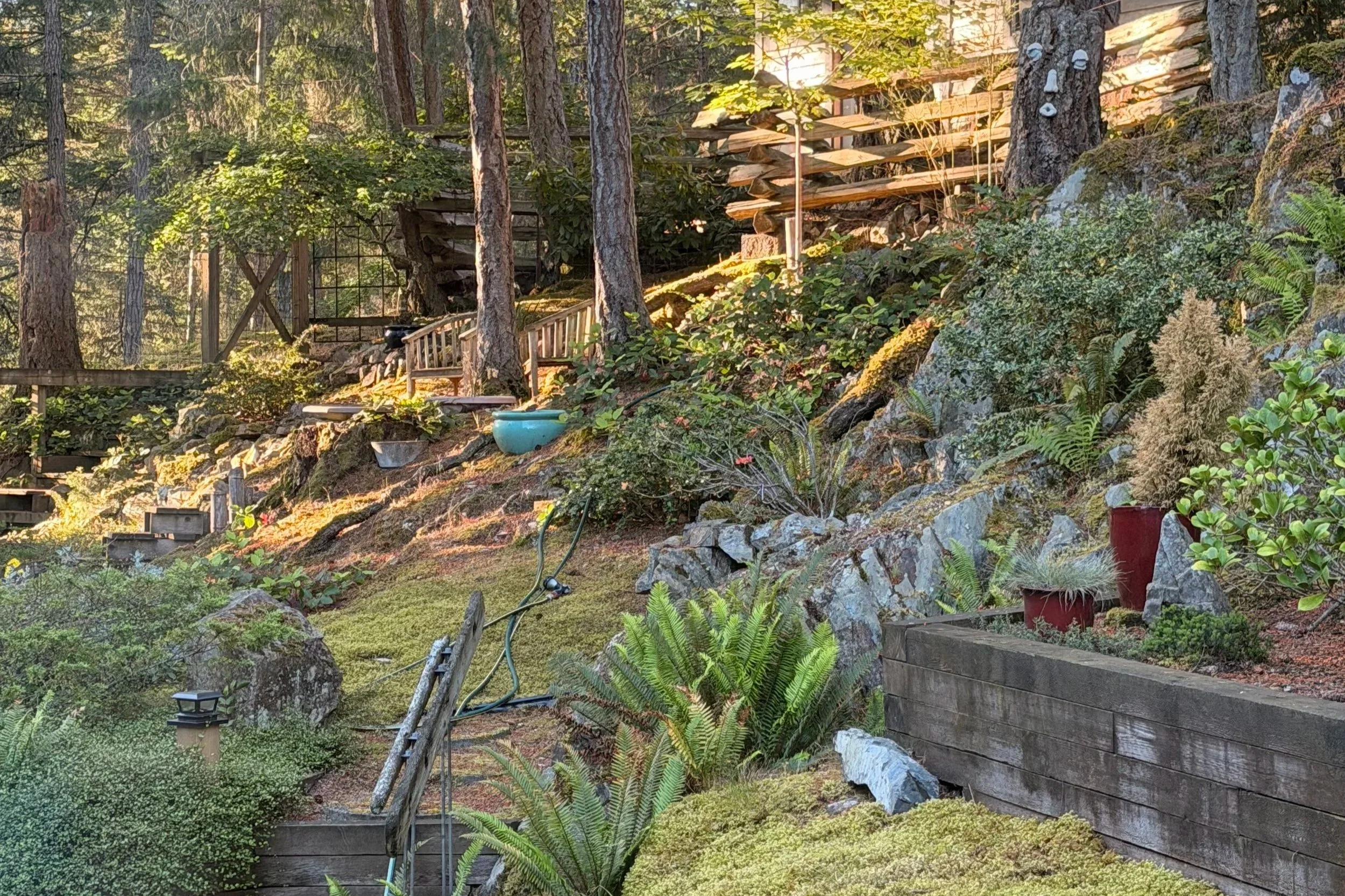
I recently purchased a 0.5-acre property in a small town on Vancouver Island, B.C. A lifelong dream of mine has been to own land and let me tell you, going from townhomes with a few outdoor pots on the patio to half an acre of fully curated mature landscape was a big shock to the system.
Thankfully my mom was born with a green thumb and came over right away to give me my first (of many) tutorials on how to care for and maintain my beautiful property.
It’s important to note that the previous owners lived here for over 20 years and this land was their masterpiece. But as time went on they couldn’t care for it as it needed, so upon taking over, the landscape was in need of some immediate attention.
As my mom and I walked the property, she showed me what was dead and needed to be pruned, areas where the ground cover was suffocating the trees, and where the plants were in desperate need of water and nourishment.
Yes, there’s a fair amount of work ahead of me, but as I reflect, the task at hand is actually quite simple. Remove what is dead or suffocating and provide nourishment. Do that and the plants will have the conditions to thrive.
And I think for people in the workplace it’s similar.
In fact, I think this is one of the most overlooked truths about performance. We often talk about performance as though it’s something individuals create on their own through effort, motivation, or discipline. While those things matter, performance is also shaped by the conditions surrounding people. Organizations create the conditions for performance, or unintentionally constrain it.
Most workplaces aren’t intentionally designed. They’re left to grow wild. Cobbled together over time through adaptation and expansion. Processes built upon processes. A new tool that promises to save time. Another meeting added to improve communication. A layer of approval required to reduce risk.
None of these things are inherently bad. But over time they accumulate. Like ground cover spreading beneath a tree, they crowd out the focus people need to do their best work.
Creating the conditions for people to thrive starts with two simple questions:
What provides nourishment?
And what is getting in the way?
Solve for both of those and you have the conditions for a thriving organization.
Nourishment looks like helping people connect their work to purpose, aligning work with their strengths, providing opportunities for growth, allowing for more autonomy or connection, or simply being really clear about the direction.
Our instinct when there is a problem is to add more, but to thrive we actually need less. This looks like taking a look at the layers that have accumulated over time. Clarifying priorities. Reducing the gates of approvals. Eliminating meetings that no longer serve a purpose. When these things run wild, people end up working twice as hard to make sense of the direction, produce great work, and stay connected to the people around them.
Nature reminded me that thriving often comes back to a few simple things. It begins by paying attention to what provides nourishment and what is getting in the way. Remove the things that suffocate growth. Strengthen the things that sustain it. Do that, and you might be surprised by what starts to flourish.